
Navigating Roofing Insurance Claims in Montgomery, AL
Your roof takes a beating every single day. Sun, wind, hail, and heavy rain all add up over time. So, when a storm rolls through and leaves your shingles scattered across the lawn, you’ll want to know exactly what your insurance covers and how to get it fixed without paying a fortune. However, roofing insurance can quickly become confusing if you’ve never needed it before. Here are the basics of roofing insurance from our Montgomery, AL team.
What Is Roofing Insurance?
Roofing insurance isn’t a separate policy you buy on its own. In most cases, it’s part of your standard homeowner’s insurance. That said, not all roof damage is covered. Most policies pay for damage caused by sudden, unexpected events, such as:
- Storm and wind damage
- Hail damage
- Fire
- Falling objects, like tree branches
- Vandalism
When to File a Roof Damage Insurance Claim
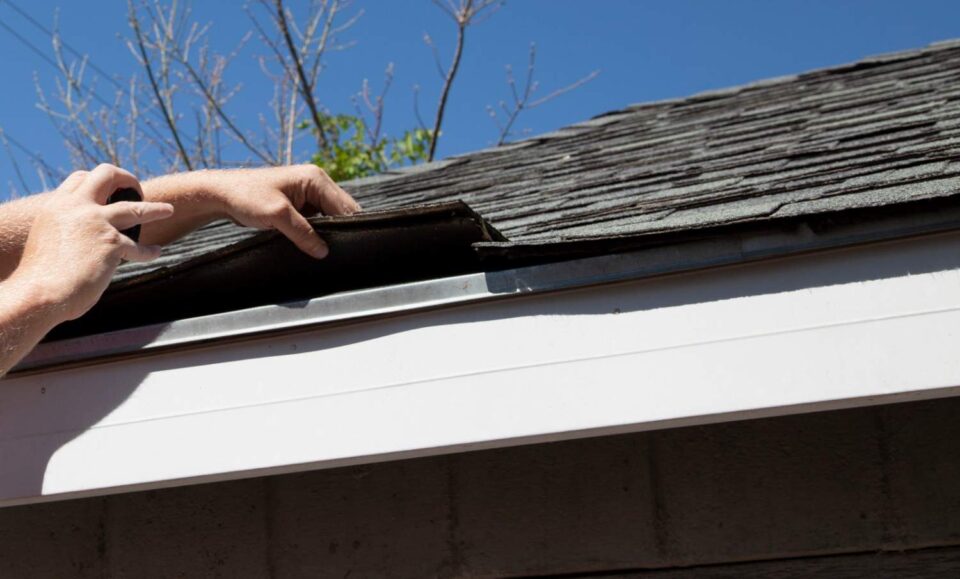
Not every dent or missing shingle warrants a homeowner’s insurance roof claim. However, some signs point to damage serious enough to involve your insurer. Keep an eye out for:
- Missing, cracked, or curling shingles after a storm
- Water stains on your ceilings or walls
- Leaks in your attic, especially after heavy rain
- Dents on shingles, gutters, or vents from hail
- Granules collecting in your gutters, which signal shingle wear
- Sagging areas on the roofline
- Daylight showing through your attic boards
How to File a Roof Insurance Claim
Filing a roof damage insurance claim can be complicated. Fortunately, with the right knowledge, you can correctly follow each step and get the compensation you need. Here’s a general guide to filing your claim:
- Document the Damage—Take clear photos and videos of all the damage as soon as it’s safe to do so. Capture wide shots and close-ups and remember that too many photos are better than too few.
- Review Your Policy—Pull out your homeowners insurance policy and read the roofing section. Check your coverage type, your deductible, and any exclusions so you can set realistic expectations.
- Contact Your Insurer—Call your insurance company to report the damage. Most insurers have a deadline for filing claims after an event, so don’t drag your feet.
- Get a Professional Inspection—Next, it’s helpful to hire a licensed roofing contractor to inspect the damage and provide a written estimate. This gives you a second opinion to compare against the insurance adjuster’s findings.
- Meet the Adjuster—Your insurer will send an adjuster to assess the damage. Be present during the inspection if you can and share your documentation and the contractor’s estimate.
- Review the Settlement—Once the adjuster files their report, your insurer will offer a settlement. If it seems too low, you have the right to negotiate or request a second inspection.
Why Might a Roof Insurance Claim Get Denied?
Denied roofing insurance claims aren’t out of the ordinary. Here are some of the most common reasons:
- Damage from wear and tear or normal aging
- Lack of maintenance
- Filing too late
- Pre-existing damage from before your policy started
- Poor documentation
Tips to Strengthen Your Roofing Insurance Claim
If you want to give your claim the best chances of approval, preparation is key. Following these simple tips can make a big difference:
- Act quickly. Delays raise red flags and can void your coverage.
- Document everything. Photos, videos, receipts, and inspection reports all build a stronger case.
- Keep maintenance records. Proof of regular upkeep shows the damage wasn’t due to neglect.
- Get an independent estimate. A licensed contractor’s report gives you leverage if the adjuster lowballs you.
- Know your policy inside and out.
- Keep all communication, claim numbers, and paperwork in one place.
- Don’t accept a lowball offer. If the settlement doesn’t match the damage, negotiate or request another inspection.
Protect Your Roof and Your Wallet
Roofing insurance exists to protect one of the most important parts of your home, but only if you know how to use it. At Homesouth Roofing, we can help you navigate your policy and get the most from your coverage. We proudly serve homeowners in Wetumpka, Birmingham, and Mobile, AL, as well as Pensacola, FL with roofing services for all kinds of needs. Contact us today to learn more.
FAQs About Roofing Insurance
Only under certain conditions. If your roof is damaged by a covered cause like a storm, hail, or fire, your homeowner’s insurance will likely cover the replacement. Damage from age, wear and tear, or neglect is usually not covered.
It depends on your policy, but most insurers require you to file within one year of the damage. Always check your policy and file as soon as possible to avoid missing out.
Filing a claim may increase your premium, especially if you file multiple claims in a short period. However, that shouldn’t be the sole reason you don’t file.
Yes. Hiring a licensed roofing contractor helps you compare against the insurance adjuster’s report and gives you leverage if the settlement seems too low.
Replacement cost value (RCV) pays the full cost to repair or replace your roof without factoring in depreciation. Actual cash value (ACV) subtracts depreciation, so you receive less for an older roof. Check your policy to see which type of coverage you have.
Contact Us