
Tin vs. Metal Roofs: Is There a Difference?
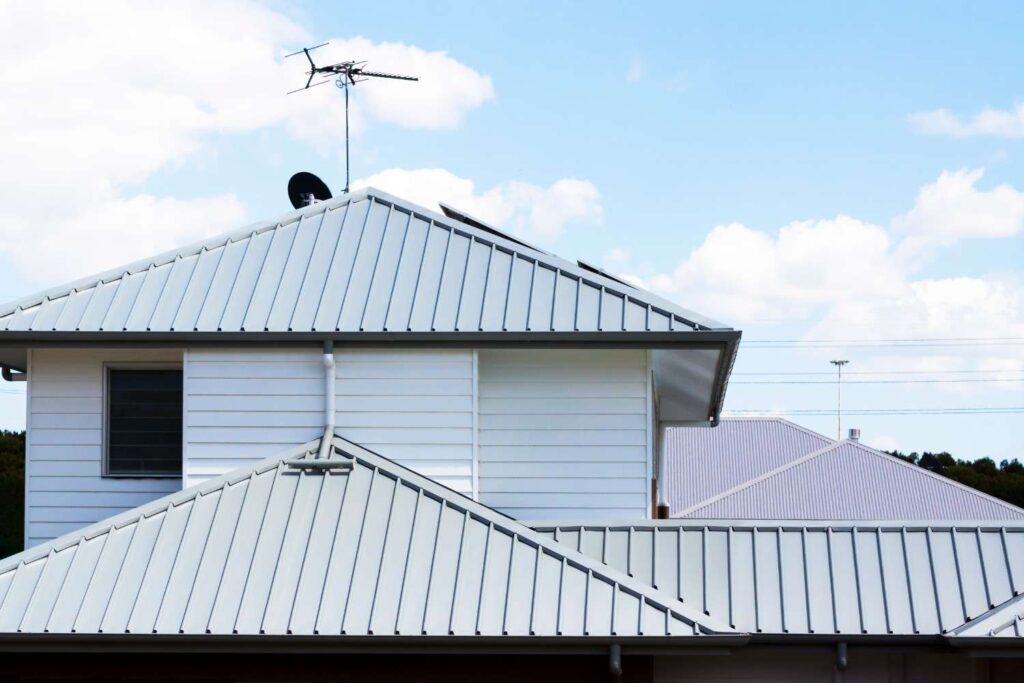
If you’ve shopped around for a new roof, you’ve probably heard the terms “tin roof” and “metal roof” used as if they mean the same thing. However, these terms don’t refer to the same thing. So, what’s the real story? Is a tin roof just an old-fashioned name for a metal roof, or are these two genuinely different products? The answer matters more than you might think, especially when you’re weighing durability, cost, and long-term value for your home. Get the details on tin vs. metal roofs before you buy.
Is a Tin Roof the Same as Metal?
Not exactly. While tin falls under the metal roofing category, the word “tin” has become something of a catch-all term. Many homeowners use “tin roof” to describe any metal roof, particularly the corrugated panels you might see on barns, sheds, or rural homes. In reality, most of those “tin” roofs are made from galvanized steel or aluminum, not tin at all. Pure tin is soft, expensive, and rarely used for roofing today. The label simply stuck around long after the material fell out of favor. So, when someone says they have a tin roof, they almost always mean a metal roof made from a more modern material.
The Difference Between Tin and Metal Roofing
The main difference comes down to the specific material and how it’s manufactured. Here’s a closer look:
- Tin Roofing—Tin roofing was historically made from steel coated with tin. It was popular in the 19th and early 20th centuries because it resisted rust better than bare steel, but today, true tin roofing is essentially obsolete.
- Metal Roofing—This broad category includes steel (galvanized or galvalume), aluminum, copper, and zinc. These materials are engineered for durability, weather resistance, and longevity.
Comparing Tin Roofing vs. Metal Roofing
Now that you know the basics about tin roofing vs. metal roofing, let’s take a closer look at what makes these materials different:
- Durability—Modern metal roofs are built to last 40 to 70 years, depending on the exact material. Conversely, traditional tin roofs, while durable for their time, are more prone to corrosion and wear once the coating breaks down.
- Cost—True tin is rarely available and can be expensive. Modern metal roofing offers a wide price range, with galvanized steel sitting at the affordable end and copper or zinc at the premium end.
- Maintenance—Metal roofs generally require minimal upkeep. On the other hand, older tin roofs often need regular inspection and recoating to prevent rust.
- Appearance—Both can deliver that classic, ridged “barn roof” look. However, modern metal roofing comes in a far wider range of colors, finishes, and panel styles.
The Benefits of Metal Roofing Over Tin Roofing
For nearly every project, metal roofing is the better choice. There are numerous reasons why metal has won out over the years, including:
- Quality metal roofs outlast tin by decades, especially with proper maintenance.
- Modern coatings protect against rust.
- Many metal roofs are more energy efficient and help reduce cooling costs.
- With proper installation, metal roofs rarely need recoating.
- Metal roofing gives you much more flexibility in terms of color and design.
Common Misconceptions About Tin and Metal Roofs
As you’re doing comparisons of metal roofing types, you might run into some misconceptions. Let’s set the record straight about some of the most common misunderstandings:
- Tin and metal roofs aren’t exactly the same. Tin is a type of metal roof, but not all metal roofs are tin.
- Tin roofs are no longer widely sold, contrary to what some believe. What gets called tin today is almost always galvanized steel or aluminum.
- Some people believe metal roofs are noisy in the rain. But, with modern installation methods, metal roofs are no louder than other materials.
- The idea that metal roofs attract lightning is a myth. If anything, it can help safely disperse the energy if a strike does occur.
Choosing the Right Roof for Your Home
If you want durability, low maintenance, and a wide range of styles, modern metal roofing is almost always the smarter investment. The next step is to talk with a trusted roofing contractor who can recommend the best material for your climate, budget, and home design. At Homesouth Roofing, we’re glad to help home and business owners across Montgomery, AL and the Florida Panhandle with all their roofing needs. Contact us today to get started.
FAQs About Tin vs. Metal Roofs
Is a Tin Roof the Same Thing as a Metal Roof?
No. Tin is a specific type of metal roofing, while metal can describe any roof made from a metal material (think steel or aluminum).
Are Tin Roofs Still Available to Buy?
Usually, no. The roofs people call “tin” today are usually galvanized steel or aluminum, which are more durable and easier to source.
How Long Does a Metal Roof Last Compared to a Tin Roof?
Modern metal roofs typically last 40 to 70 years. Older tin roofs were durable for their era, but tend to corrode faster once the protective tin coating wears down.
Which Is More Affordable?
Modern metal roofing is usually more affordable than genuine tin, which is now rare and costly to source.
Are Metal Roofs Noisy When it Storms?
No. With proper sheathing and insulation, modern metal roofs are no louder than asphalt shingles or other common roofing materials.